Jessica Hassan
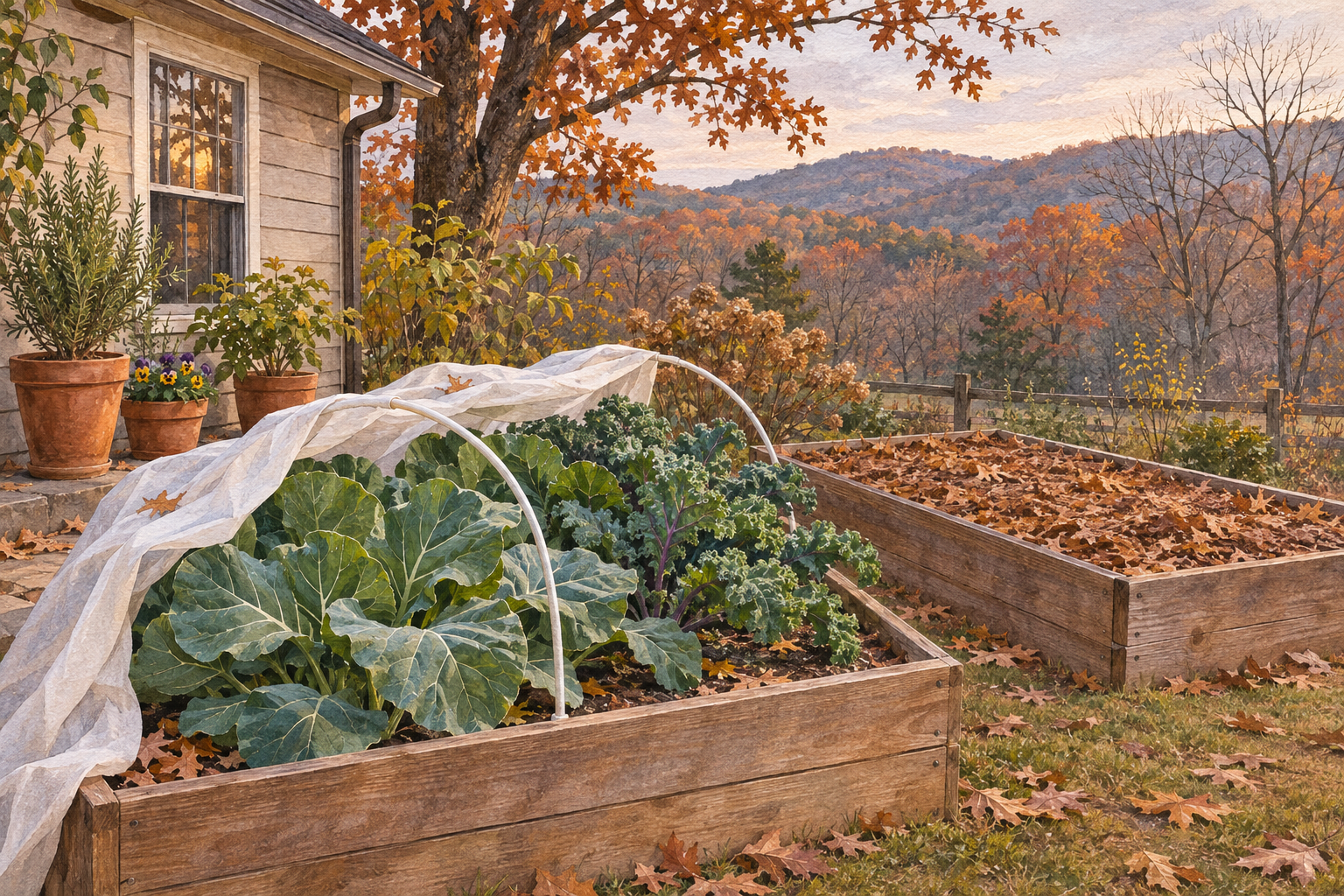
A North Alabama vegetable garden does not need the same winter treatment in every bed. The last tomato vines may be finished while established cabbage, carrots or leafy greens still have something to offer. Start by deciding what you want to harvest, what needs temporary protection and which beds will rest until spring.
This guide is for home vegetable gardens, raised beds and containers. The goal is a manageable cold-weather plan, not a promise to keep every crop growing all winter. Commercial fields, orchards and specialized crops need crop-specific guidance.
Start with the plants you have and the forecast for your home
The National Weather Service in Huntsville places the central Tennessee Valley’s usual first-freeze period between mid-October and mid-November. Those historical patterns help with planning, but they do not tell you what will happen in your yard tonight. Check the current local forecast, including the expected low and how long freezing conditions may last.
Alabama Extension distinguishes tender summer vegetables, including tomatoes, peppers, squash and okra, from more cold-tolerant crops such as cabbage, broccoli, onions and carrots. Its frost-protection guidance explains that plant damage depends on the crop and conditions. “Cool-season” does not mean every plant can withstand the same cold.
| What is in the bed? | Your winterizing priority |
|---|---|
| Tender summer vegetables still producing | Harvest usable produce before damaging cold; decide whether brief protection is worthwhile. |
| Established cool-season vegetables | Keep harvesting as appropriate and prepare covers for the crop and forecast. |
| Carrots, radishes or other root crops | Make a crop-specific harvest or mulch plan before a hard freeze. |
| An empty vegetable bed | Remove problem debris and protect the soil with suitable mulch or an appropriate cover crop. |
Do not confuse protecting an established fall garden with starting one in November. Alabama Extension’s North Alabama planting schedules give different windows for different vegetables. Much of the fall planting work happens earlier. If you are starting late, use the North Alabama column and discuss the crop, transplants and available protection with your county Extension office rather than borrowing a South Alabama calendar.
Have frost covers ready before the cold evening
A breathable frost cloth or row cover can help retain heat from the ground. Alabama Extension reports roughly 3–5°F of protection from lightweight cloth, depending on conditions. That is a small buffer, not protection against every hard or prolonged freeze. Use Extension’s covering guidance when deciding whether a forecast is beyond what your setup can reasonably handle.
Arrange supports so the covering does not crush the plants, secure the edges against wind and close gaps. Avoid plastic resting directly on foliage. Remove temporary covers as morning temperatures rise so plants do not overheat. Keep the cloth, supports and weights together where you can reach them without a last-minute search.
For roots you intend to leave in place, make a separate decision. The Alabama Extension fall vegetable guide recommends harvesting or heavily mulching carrots and radishes before a hard freeze. Mulch may extend the harvest, but it is not a guarantee that roots will remain usable through any winter weather. Label the rows so you can find them after covering the soil.
Clean up the vegetable beds selectively
Remove spent plants with disease or insect problems rather than adding them to an ordinary home compost pile. Healthy plant material can be handled differently. North Carolina Cooperative Extension’s raised-bed winterizing guide explains that distinction and recommends covering resting soil with materials such as straw or chopped leaves. Its general sanitation advice is useful here; its planting calendar should not replace Alabama’s.
Treat each vegetable bed as its own job. Pull troublesome weeds, remove problem crop remains and note where this year’s crops grew. Keep a short record of any persistent pest or disease issue for next season. A bed that looks tidy is easier to understand when it also has a useful history.
If you have plenty of fallen leaves, my North Alabama leaf guide explains the separate choices for lawn, landscape beds, compost and wooded areas. Cleaning a vegetable bed does not require stripping every natural corner of the yard.
Choose mulch or a cover crop with spring in mind
For an empty bed, shredded leaves provide a practical mulch option. Alabama Extension’s mulch guide recommends a 2–3-inch layer of shredded leaves and explains that they are less prone to matting than whole leaves. Spread them over the soil surface, accounting for mulch already there. Keep this resting-bed task separate from the heavier, crop-specific protection needed for roots you intend to harvest.
A cover crop is a living planting grown mainly to protect or improve the soil. It needs time to establish and a plan for ending its growth before the next vegetable crop.
Alabama Extension’s cereal cover-crop guide gives cereal rye a late-September through late-November planting window for Southeastern producers. That makes it a possibility to investigate, not a blanket recommendation for every North Alabama backyard. Weather, bed condition and your spring planting date still matter. Cereal rye and annual ryegrass are different plants; Extension cautions that annual ryegrass can become a weed and be difficult to terminate.
Before buying seed, decide what you will plant next and how you will manage the cover crop. If those answers are unclear or conditions are too late for good establishment, choose mulch for this winter and plan a cover crop earlier next year. There is no need to turn a simple seasonal cleanup into an unfamiliar spring removal project.
Use a soil test instead of a routine winter fertilizer dose
The Alabama Extension home-gardening guide recommends soil testing as the basis for lime and fertilizer decisions and emphasizes good drainage. It also identifies late fall as a useful time to add suitable organic matter, such as compost or leaf mold. These are different decisions: adding compost does not establish that a bed needs lime or a particular fertilizer.
Keep garden samples and recommendations tied to the vegetables you intend to grow. Do not apply a lawn recommendation to the vegetable bed. Record what you add and where, then keep the report with your planting notes. If a bed stays wet, investigate the drainage problem rather than expecting fertilizer to solve it.
Give containers and outdoor water their own check
Containers need separate attention because their roots are less protected than roots in the ground. Alabama Extension’s container-gardening guidance discusses wind protection, mulching or moving plants to a protected location and keeping containers raised enough for drainage. Choose the protected spot according to the plant’s needs; not every plant belongs in a dark garage all winter.
Check moisture rather than following a fixed daily watering habit, and keep drainage openings working. Make a practical plan for moving heavy pots before cold weather arrives instead of trying to lift them in a rush.
Finish by separating plant care from plumbing care. My home checklist before a freeze covers outdoor hoses, faucets and equipment-specific winter preparation. A covered vegetable bed does not protect the water line that supplies it.
Conclusion: Give every bed a clear winter job
A useful winterizing plan leaves you with three clear groups: crops to harvest, crops to protect and soil to cover. Walk the garden once with that list, gather the supplies you actually need and write down any unfinished task. Established fall crops can remain part of the season while resting beds get ready for spring.
Want Personalized Real Estate Help?
If garden space is part of your next Northern Alabama home search, I can help you think through the property questions alongside your buying or moving plans. Contact me to talk about what you want from your next home. Your county Extension office is the right resource for crop selection and a garden-specific growing plan.
Sharing is Caring:
Author

Sources and review notes
Sources checked November 9, 2026. This is seasonal gardening guidance, not a current frost forecast. Follow the linked Alabama planting schedules and current local weather conditions for timing.
Featured image: AI-generated illustration of a fictional autumn garden, not a photograph of a particular North Alabama property.