Jessica Hassan
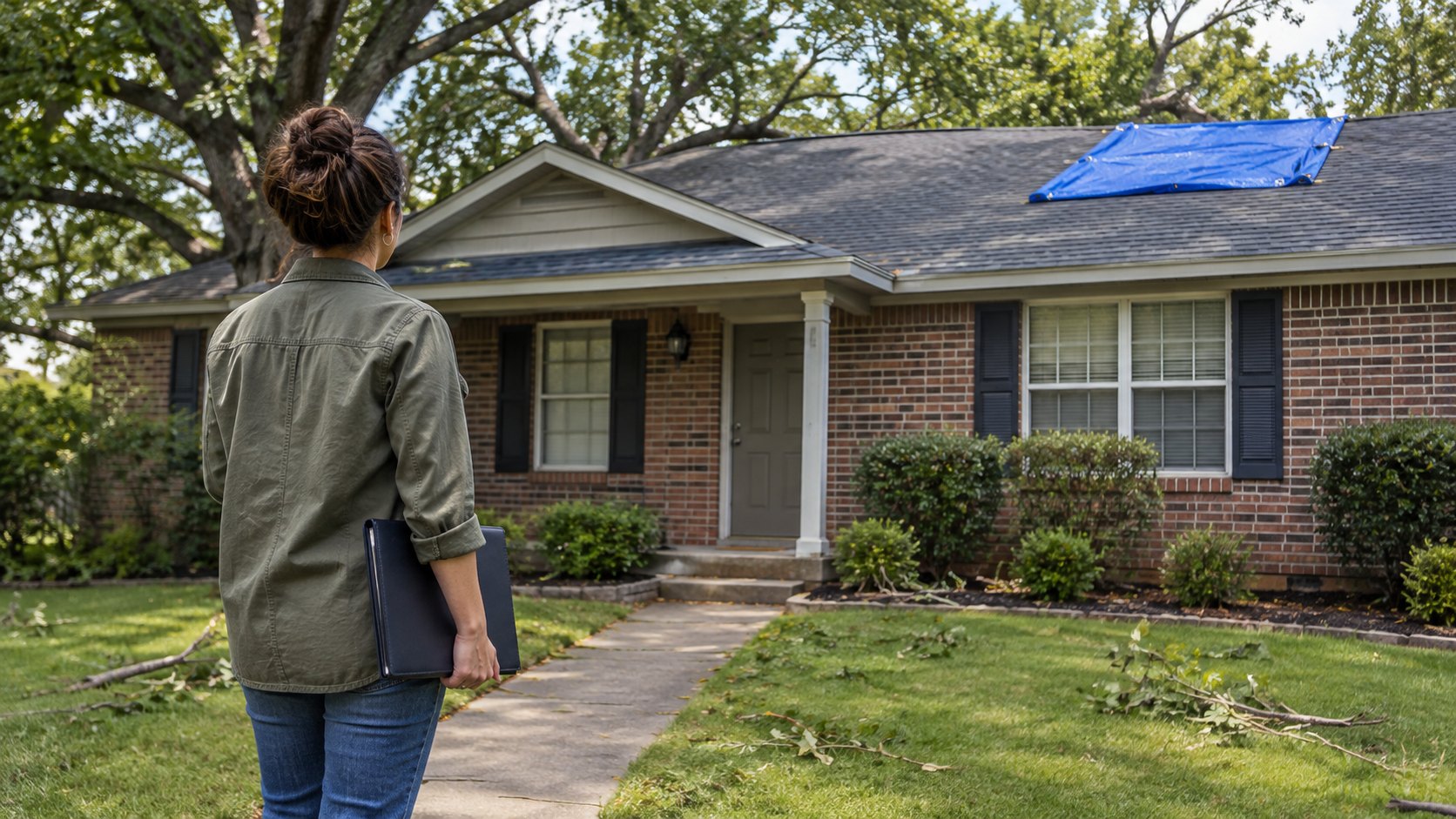
A windstorm has damaged your Northern Alabama home. The insurance adjuster has reviewed the loss, a repair contractor is asking about a start date, and the claim check arrives with your mortgage servicer’s name beside yours. That second name does not mean the servicer decided what the insurer covered. It means the repair money may have to pass through another process before you can use all of it.
There are two questions to keep separate: What loss did the insurer agree to pay under the policy? and How will the servicer release that payment for repairs? The Consumer Financial Protection Bureau (CFPB) explains that the insurer evaluates the damage and settlement, while a check made out to both the homeowner and servicer generally protects the lender’s interest in the property. The exact policy, loan agreement and claim instructions control your case.
One check, two different jobs
| Question | Insurer or adjuster | Mortgage servicer |
|---|---|---|
| What amount is available? | Assesses the covered damage, policy limits, deductible and settlement basis. | Handles its interest in the insurance proceeds; it does not set the insurer’s coverage amount. |
| What happens before repair? | Provides the estimate and settlement explanation to compare with the actual damage and proposed work. | Explains how a joint-payee check is endorsed and what it needs before an initial release. |
| What happens as work progresses? | Reviews newly discovered damage or a disputed estimate under the claim. | Typically releases additional money as work progresses, with a final release after completion and inspection. |
The CFPB’s claim-payment guide describes replacement-cost and actual-cash-value settlement methods. Actual cash value accounts for the home’s age and condition; replacement cost aims at similar materials or quality at current prices, subject to the policy. Do not assume that the check in hand equals the contractor’s full bid, or that a servicer’s signature resolves a disagreement with the insurer. Read the insurer’s written estimate and the policy’s deductible, limits and payment conditions together.
Make the damage record before the repair schedule
The Alabama Department of Insurance (ALDOI) weather-disaster guidance advises documenting damage with photos or videos, contacting the insurance agent promptly and keeping receipts for emergency repairs. ALDOI’s dated storm-recovery notice adds a detailed damaged-property inventory and says emergency protection differs from permanent repairs, which should be discussed with the insurer before they start. For example, a tarp may limit further water entry while the damaged roof and repair scope are documented; it is not proof that every roof replacement cost is covered. Put the claim number, photographs, adjuster’s estimate, temporary-repair receipts and proposed contractor scope in one file.
Compare the insurer’s scope with the contractor’s proposed work line by line: which damaged areas, materials and tasks appear in both, and which do not? ALDOI’s storm-recovery notice says a homeowner can obtain a contractor estimate when the insurer’s estimate appears low. Bring any newly found damage to the insurer and adjuster before assuming the original scope covers it. A different bid is a reason to ask for a specific review, not evidence by itself that the insurer owes that amount. Check the contractor’s licensing and permit responsibilities before signing or making a large payment.
Turn the joint-payee check into a workable repair plan
Once you have the settlement explanation, contact the servicer through the number on your current mortgage statement or its authenticated account portal. Tell it the claim number and amount, the names printed on the check, and whether work is temporary, underway or planned. Ask for its insurance-claim or loss-draft instructions: how to submit the check for endorsement, what repair documents it needs, how much of the proceeds it will release before work, what starts later draws, and who arranges a final inspection. Keep its written answer with your claim file. These steps vary by servicer and loan; the CFPB describes a typical sequence of an initial portion, further releases during work, and the balance after completion and inspection, not a guaranteed timetable or percentage.
This matters when you speak with a contractor. A signed claim check may be available for repairs without being available all at once. Before committing to a deposit or milestone schedule, compare the contractor’s requested payments with the servicer’s actual release process and your own funds. Ask how a changed scope or newly approved insurance amount will be handled. Do not promise a draw date based only on when the insurer mailed the check.
If the settlement, release or mortgage payment becomes a problem
- Coverage or estimate dispute: identify the missing item or amount in the insurer’s written estimate, send supporting photos and a contractor’s detailed estimate, and ask the insurer for its written response. ALDOI advises keeping a written denial and contacting its Consumer Services Division when a disagreement remains. Its consumer complaint page asks that you first try to resolve the issue with the insurer and explains what the department can and cannot decide.
- Unclear servicer release: ask the servicer which document, endorsement or inspection is outstanding and request a written explanation of the next draw. Keep the names, dates and reference numbers for each contact. Do not treat the insurer’s settlement letter as the servicer’s draw schedule.
- Difficulty making the mortgage payment: the insurance claim does not suspend the loan. The CFPB’s disaster guidance says to contact the servicer promptly about possible payment relief, forbearance or fees; available options depend on the loan. If the regular amount due has also changed, our guide to an annual escrow analysis explains that separate mortgage-statement question.
Conclusion: keep two records moving together
Use the insurer’s estimate to settle the amount and covered work; use the servicer’s loss-draft instructions to plan the release of those funds. A simple file with the check copy, claim correspondence, repair scope, receipts and each draw or inspection record makes both conversations more precise. If repair and payment timelines no longer fit, raise that conflict early with the two parties rather than assuming one has already answered for the other.
Want Personalized Real Estate Help?
If storm damage has changed your Northern Alabama housing plans, I can help you organize the property and timing questions for a repair, sale or next move. Contact me to talk through the real estate decision while your insurer, servicer and qualified repair professionals handle their own determinations.
Sharing is Caring:
Author

Sources and review notes
Featured image: AI-generated, generic storm-repair context. It does not show an actual Northern Alabama property, insurance claim or completed repair.
Sources checked November 24, 2026: CFPB claim-payment and disaster guidance, and the Alabama Department of Insurance weather-disaster guidance, dated 2017 storm-recovery notice and complaint process, linked above. The 2017 notice describes general claim practices, not a current storm or individual coverage. This article does not determine coverage, payment relief or a contractor’s price for an individual property.