Jessica Hassan
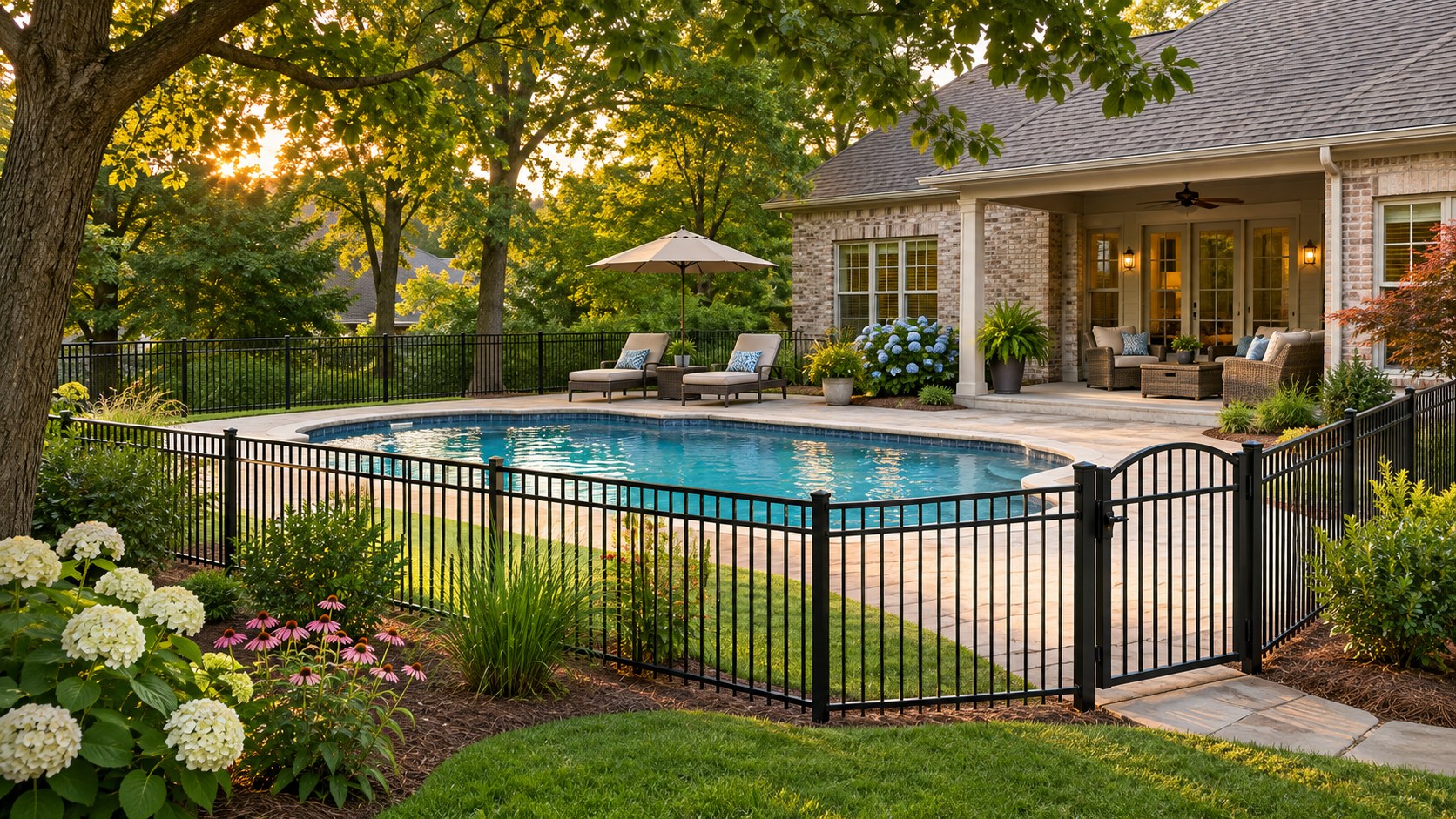
A generous backyard does not by itself make a new swimming pool possible. For a property inside the City of Madison, the buyer or owner needs to confirm the exact lot, ask Planning about setbacks, account for drainage, and plan a pool barrier before committing to a design. A Madison mailing address is not proof that the city governs the parcel. This guide gives you a sequence of questions to take to the city and your pool designer.
Begin with the parcel, not a pool rendering
Get reliable property-line and easement information for the home you have in mind. Sketch where you hope the pool, deck, equipment, fence and any retaining wall might go, then mark where rainwater currently crosses the yard. This first drawing is a conversation tool, not a permit plan.
The city's current zoning ordinance page says its posted information may be incomplete or outdated and directs readers to the Planning and Economic Development Department for clarification. The Building Department FAQ gives Planning's number, 256-772-5630, for property setbacks. Ask Planning to confirm the rules for the actual address, including whether the proposed pool position conflicts with setbacks or easements. Do not carry a setback number from a neighboring lot, an older article or a listing description into your design.
The city's permitting guidance also tells applicants to be aware of setbacks and easements before building. If the home sits near Madison but outside its municipal limits, identify the actual permitting authority before using any city-specific advice here.
Put the city permit into your project timeline
The Building Department's FAQ lists a swimming pool among projects requiring a permit. Its forms page links the swimming-pool application and explains that an application can be uploaded through the online permitting site. The permitting page says a signed application and a customer-signed invoice or contract stating the work scope and price are needed for building or trade permit processing. Ask the Building Department, 256-772-5644, which documents apply to your design before setting an excavation date.
If you are buying a house with an existing pool, the public permit portal offers a way to inquire about permits for city parcels or projects. A record search can point you toward questions to ask. It does not establish that the pool was built correctly, that all inspections passed, or that a replacement or new design will be approved.
| Decision to settle | City source to consult | Question to bring |
|---|---|---|
| Lot position | Zoning page and Planning Department | Which setbacks and easements govern this exact parcel and proposed footprint? |
| Permit | Building FAQ and forms page | What application and supporting material must be submitted for this pool design? |
| Drainage | City drainage page and Building Department | How should this proposed pool plan address grading or a drainage easement? For an existing drainage issue outside active new development, the city points to Public Works. |
| Barrier | Building FAQ and Building Department | What fence and access arrangement will the city accept for this pool? |
Watch the water path and easements
A pool project changes more than the water's edge. Excavation, fill, a fence, a patio and a retaining wall can affect the way water moves across a lot. The city's drainage guidance warns that fences in drainage easements, grading that changes drainage to fit a fence, landscaping that creates adverse conditions, and filling ditches or swales can be obstructions. It says complex cases are decided individually. The permitting page also lists all retaining walls among permit-required work.
Walk the yard after a rain and note where water enters, crosses and leaves it. Tell your designer about those observations and any known easements. Jessica's roof-runoff walk-through can help you notice downspout discharge, but it cannot approve a pool plan. For a proposed pool, start with Building at 256-772-5644 and ask who should review the design's drainage questions. The city's Building FAQ also names Engineering at 256-772-5639 for property-drainage questions, while its current drainage page directs existing drainage issues outside active new development to Public Works at 256-772-8490. These are different routes; describe whether you are proposing new work or reporting an existing problem so staff can direct you. Do not assume runoff can simply be shifted to a different corner.
Design the barrier with the pool
The Building Department's FAQ says the top of a pool fence should be at least 48 inches above grade, measured on the side facing away from the pool. That is a useful starting fact, not a complete barrier specification. A fence's openings, gates, relationship to the house and placement may all matter; ask Building to review the current application and the proposed barrier arrangement before ordering materials.
Do not treat a neighbor's fence, an attractive image or an existing backyard enclosure as evidence that your pool plan satisfies the city's requirements. The illustration with this article shows a generic fenced pool, not an approved Madison installation. If a fence could cross an easement or alter drainage, bring that issue to both the barrier and drainage conversations.
A practical order for a homeowner or buyer
- Confirm the jurisdiction. Verify whether the actual parcel is in Madison city limits.
- Gather lot facts. Obtain reliable boundary and easement information, then walk the current drainage path.
- Call Planning. Ask about the proposed pool footprint and property-specific setbacks.
- Talk with Building and your designer. Review the pool application, permit materials and barrier concept.
- Raise drainage questions early. Bring proposed grading, fences, landscaping and any retaining wall to the appropriate city reviewers.
- Check the result. If an existing pool matters to a purchase, ask about records and inspections rather than relying on a listing photo.
Final Thoughts
A pool-sized patch of grass is an invitation to investigate, not an approval. City guidance establishes that a pool needs a permit, that setbacks and easements matter, that drainage changes can create conflicts, and that a pool fence has a stated minimum height. The actual design still needs the right jurisdiction, lot facts and city review.
Want Personalized Real Estate Help?
If you are comparing Madison-area homes, I can help you frame property-specific questions for the city and your design team. Explore homes in the Madison area for the housing search; a listing's Madison label does not verify city limits, easements or pool eligibility. Contact me to discuss a home you are considering.
Sharing is Caring:
Author