Jessica Hassan
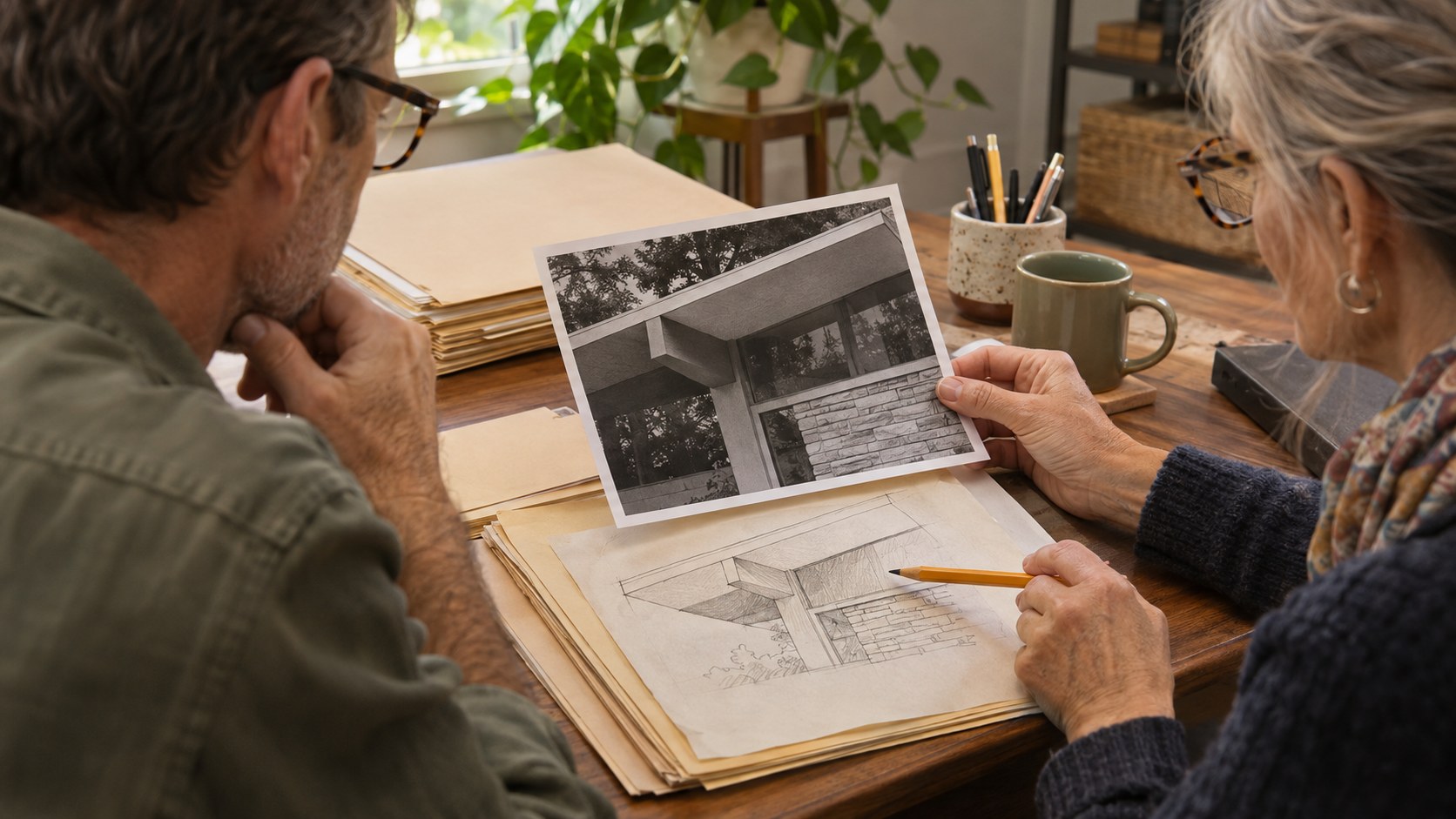
Two northwest Huntsville neighborhoods joined the National Register of Historic Places on November 18, 2026: Magnolia Terrace and Gurley Addition and Brothers Heights. The recognition records a part of the city’s postwar Black homeownership history that a house-by-house tour or an old listing description could miss. For an owner or buyer, it also raises a practical question: does a national listing itself change what work can be done to a home?
The answer begins by separating three things: the history the listing recognizes, whether a particular parcel lies inside the documented district boundary, and which local or federal review rules actually apply to a proposed project. They are related, but one cannot stand in for another.
What the two listings recognize
The City’s November 23 account places both neighborhoods in Huntsville’s rapid growth after World War II. Segregation, discriminatory lending and urban renewal constrained where Black families could buy and remain. These districts record how residents and developers made durable places for homeownership within those barriers; the designation is about people and community formation as well as buildings.
| District | Documented beginning and form | Why the distinction matters |
|---|---|---|
| Gurley Addition and Brothers Heights | Beginning in 1946, Black developers planned and financed homes; modest cottages, minimal traditional houses and ranch homes remain part of the streetscape. | This is a Black-led development story, including housing opportunity amid displacement near downtown. |
| Magnolia Terrace | Beginning in 1950, its curved streets, landscaped yards and midcentury homes reflect a suburban layout. | The City connects its growth to Black middle-class households, including families arriving for Redstone Arsenal jobs and people displaced by urban renewal. |
The neighborhoods are adjacent but not interchangeable. The City’s earlier nomination announcement described distinct establishment dates, architecture and community identities. St. Joseph’s Catholic School, which served Black children during segregation, is part of the history the City says connected families to the area. Neither that association nor a similar-looking house establishes a parcel’s district status.
A listed street is a starting point, not a parcel determination
The National Park Service’s November 20 weekly list names both districts as LISTED on November 18. It identifies the Gurley Addition and Brothers Heights district with several northwest streets including Beasley, Bell, Fitcheard, Lee, Magnolia, Mitchell, Pulaski Pike and Stanley. It identifies Magnolia Terrace with Councill, Hammonds, Moore, Powers and Pulaski Pike. Those are published street descriptions, not a parcel-by-parcel map; a street that appears in the list may extend beyond a district.
If a purchase or renovation turns on district status, use the exact property address and parcel record to request the nomination boundary and written status from Huntsville’s Historic Preservation Office. The City’s preservation office page gives the current contact route. Do not use a neighborhood name in a real-estate listing, a postal address or the weekly street list as proof that one lot is inside or outside the boundary.
National recognition and local design review answer different questions
The National Register is a federal record of historical significance. The National Park Service explains that listing alone places no federal restrictions on a private owner’s work when there is no federal assistance or other federal involvement; state and local rules can still apply. Federal funding, licensing or permitting can bring a separate historic-preservation review into a project. A National Register entry is therefore neither a blanket renovation permit nor proof that the City requires a historic-design certificate for that particular house.
Huntsville’s current local-designation page separately names four locally designated districts: Twickenham, Old Town, Five Points and Alabama A&M University. Its application instructions say exterior changes within a local historic district require a Certificate of Appropriateness or eligible expedited staff review before a building permit may be issued. As of this November 25 check, that local list does not name the two newly nationally listed districts. Because rules and boundaries can change, ask the City about the exact lot and project rather than treating the current list as a permanent exemption.
For example, a buyer looking at a house on a street named in the National Park Service list should first establish whether the lot is actually in the national district. If they plan to change exterior windows, the next question is whether a separate local designation or other city permit rule covers that address and work. If federal assistance is part of the project, that is another question to raise with the funding or permitting agency. The sequence avoids both errors: assuming the national listing forbids ordinary private work, and assuming it clears every other approval.
Build a useful record before choosing the work
Put the exact parcel identification, the official district-boundary response, the proposed exterior scope and the City’s written answer together before a contractor quote or purchase decision depends on an approval. A photo and a short description of what would change help make the question concrete. Keep the national listing record with that file for historical context, but do not substitute it for the City’s project-specific answer.
If the City confirms a home is also in one of its locally designated districts, my Huntsville historic-window guide explains how to compare repair, replacement and storm-window options before requesting review. It is a next step for that specific local-review situation, not a statement that every home in either new National Register district follows the same rule.
Conclusion
Magnolia Terrace and Gurley Addition and Brothers Heights now have a dated national record for two connected, distinct chapters of Huntsville’s Black homeownership history. Start with that record to understand the place. For a particular home, move from the district’s documented boundary to the City’s current local status and the actual work or funding involved. That gives an owner or buyer a grounded project decision without reducing the neighborhood’s history to a permit label.
Want Personalized Real Estate Help?
If you are getting to know Huntsville before a move, its neighborhood histories can add depth to a home search, while each property’s condition and records deserve their own review. Contact me to talk through the homes and practical questions that matter to you. You can also browse a broad Huntsville home search as an initial shortlist; results do not certify historic-district membership or renovation approval.
Sharing is Caring:
Author

Sources and review notes
National listing and City information checked November 25, 2026. Featured image is a generated generic property-record review scene, not a photograph of either named district, any actual property or an official record.