Jessica Hassan
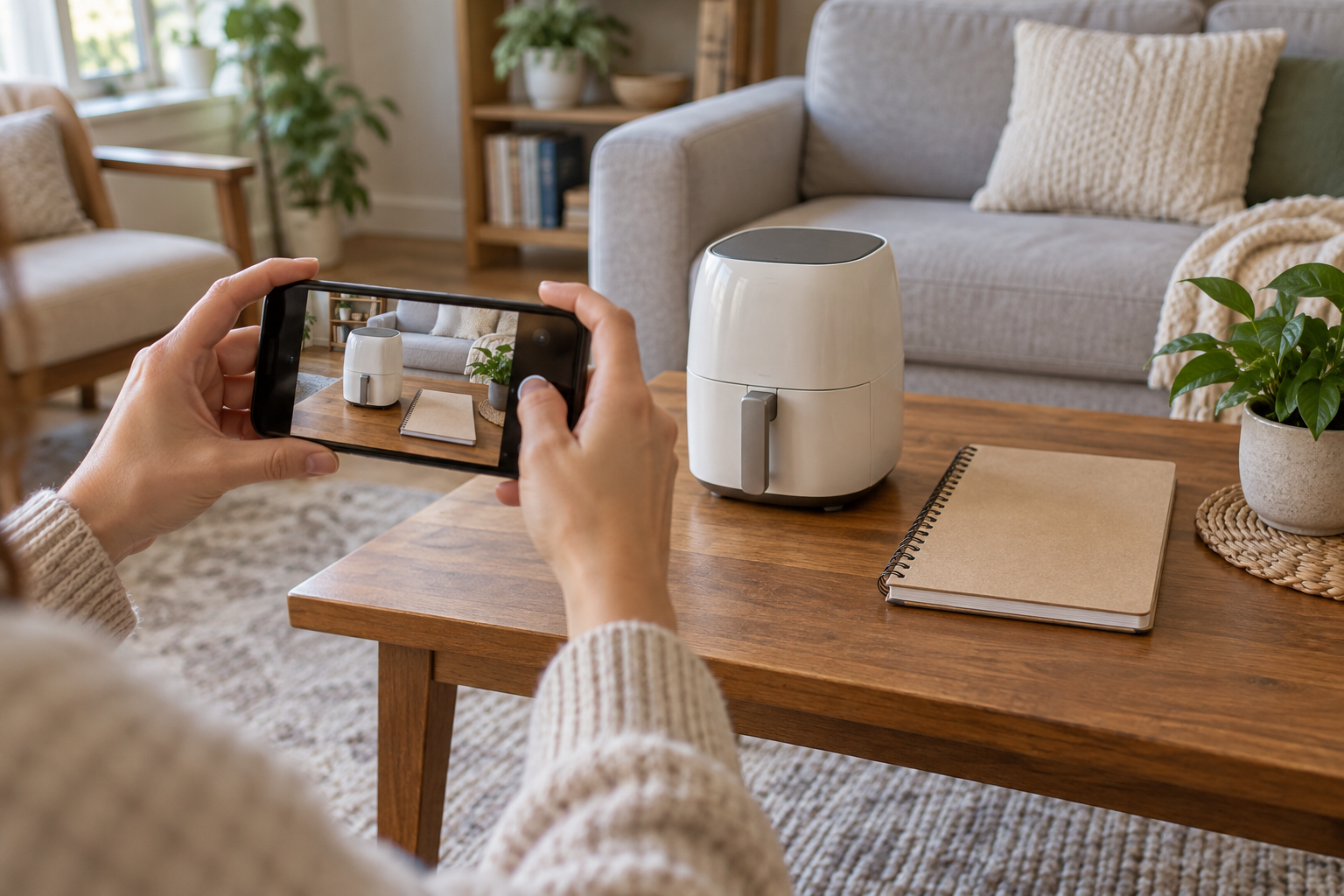
If you had to describe the contents of one room without standing in it, where would you start? The sofa is easy to remember. The small appliances, tools, hobby equipment and things tucked into cupboards take more thought. A private home inventory gives that information a home before you need it.
For a Northern Alabama household, unpacking after a move or putting seasonal belongings away can be a practical moment to start. You do not need to finish the entire house in one sitting. Choose one room, create a record you can retrieve, and repeat the process. This is household documentation, not a prediction about a particular storm or a promise about what an insurance policy will pay.
Give each picture a job
The National Association of Insurance Commissioners’ inventory resource describes organizing belongings by room or category and capturing photographs. Its app also offers barcode scanning and export. The useful principle is organization: a folder of unlabeled images is harder to use than a record that connects each item with its details.
For a practical first pass, separate three jobs. An overview reminds you what was in a room. A close photograph helps distinguish the item. A supporting record supplies information that the photograph cannot show. Use the following as a planning aid, not an insurer’s required claim form.
| Record | What it helps answer | Example to collect |
|---|---|---|
| Room overview | Where did this belong? | A clear view of the living-room shelves |
| Item detail | Which item was it? | The appliance and its model/serial label |
| Supporting document | What information is already recorded? | A receipt or appraisal linked to the same item |
Do not assume the room picture makes the label readable. Open a few images at full size before moving on. If the identifying detail is blurred, retake that detail while the item is still in front of you. Give related files the same simple identifier, such as living-room-01, so a photograph and receipt do not become separate mysteries later.
Record the ordinary belongings too
The Mississippi Insurance Department’s inventory guidance includes ordinary clothing, toys, seasonal decorations, sports equipment and tools alongside valuables. It recommends documenting descriptions, age and purchase price, retaining receipts or appraisals, and noting model and serial numbers. Those are general recordkeeping ideas, not Mississippi insurance rules being applied to an Alabama policy.
Start with what you can establish. If you know the year but not the month of purchase, label that information as approximate. If a receipt is missing, leave the field unresolved rather than creating a number that looks documented. A receipt, a recollection and a current estimate are different kinds of information; keep them distinguishable.
An example makes the workflow concrete. Photograph a small appliance, then photograph its accessible label without dismantling it. Create one entry with its room, description and identifier. Attach the receipt if available. Finally, reopen the entry and check that the correct photographs and document are together. This is a suggested filing routine, not a statement that those records alone establish coverage or replacement value.
Make the record retrievable away from the room
The inventory should remain useful if the room or the device used to photograph it is unavailable. The Mississippi department recommends protected, accessible storage, including a secured online file or suitable physical storage. Choose a method your household can maintain, and limit access to the people who need the records.
Treat exporting and retrieving as separate steps. If you use an app, make an export and open it through your chosen backup arrangement. If you use a document and folders, check that the document’s references still lead to the photographs. A successful save message is not the same as being able to recover the information later.
Keep this private collection separate from a public listing-photo folder. Inventory photographs may deliberately show identifying details that do not belong in marketing. If you are preparing to sell, the separate listing-photo privacy check explains what to review before images are published. The two records serve different purposes; one should not automatically become the other.
Maintain the record, then discuss policy questions separately
The Mississippi guidance recommends an annual review and updates after significant purchases. Add a reminder that fits your household, and record the review date. When an item leaves the home, update the inventory so the record describes what you still own rather than every purchase you have ever made.
Use the completed inventory to prepare focused questions for your insurance professional. Ask how your policy treats the items you have documented and what additional records they recommend. Do not read an inventory total as a coverage limit or an expected settlement. This article helps organize the information for that conversation; it does not interpret your policy.
Conclusion: finish one usable room record
Start with a room you can complete today. Capture the overview, identify individual belongings, attach the records you already have and test retrieval from your chosen backup. The result should be understandable to you later without having to reconstruct every filename or remembered purchase.
Then move to the next room. A repeatable, private record is more useful than an ambitious project that never becomes accessible outside the phone used to create it.
Want Personalized Real Estate Help?
If a Northern Alabama move or sale is on your calendar, I can help you organize the real-estate steps alongside your household preparations. Contact me to discuss your timing and the decisions ahead.
Sharing is Caring:
Author

Sources and review notes
Featured image: AI-generated illustration of household inventory preparation, not an actual client home or record.