Jessica Hassan
A cluster of lady beetles at the window can be an unsettling welcome to your first North Alabama fall. Before buying a spray, separate three jobs: identify the visitor, remove the insects already in the room, and close the openings that let more inside. For confirmed overwintering lady beetles and brown marmorated stink bugs, those jobs usually begin with physical removal and home maintenance.
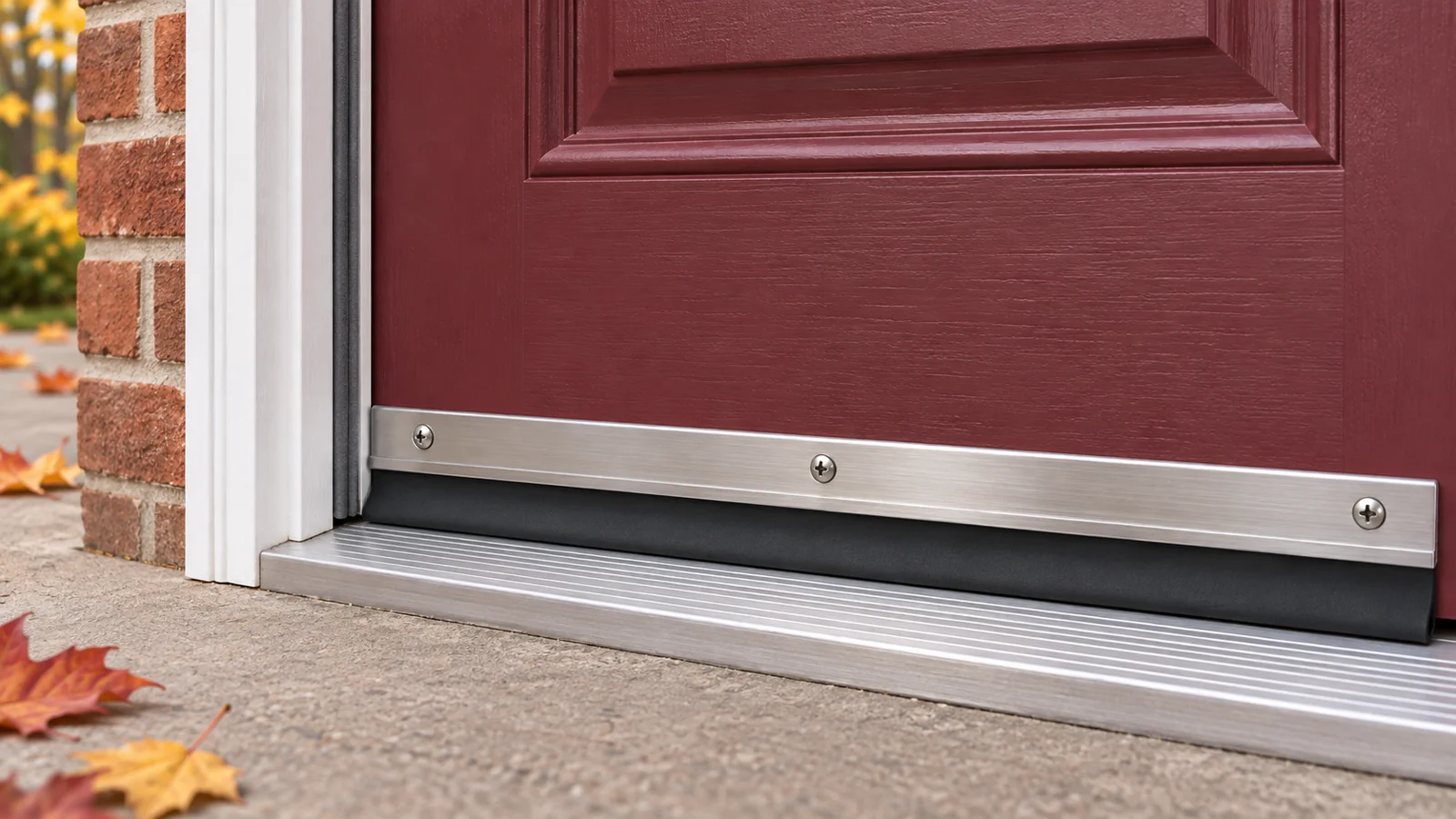
This is a regional guide for caring for the home you occupy, not a forecast of which neighborhood will have more insects. The featured door-sweep image is an AI-generated illustration of a fictional doorway. The insect photographs below are licensed factual photographs, not AI identification images.
Why do they show up when the weather cools?
Some outdoor insects spend winter in sheltered crevices. Buildings offer substitute hiding places, including wall cavities and attics. Alabama Extension names multicolored Asian lady beetles and brown marmorated stink bugs among the state’s fall home invaders in its fall pest-proofing guide. They are two possibilities, not an identification of every insect found indoors.
There is real local evidence for the stink bug’s presence: Extension’s October 2024 report says brown marmorated stink bugs were established in all 67 Alabama counties and describes monitoring at a Huntsville produce farm. That is evidence of regional presence, not a 2026 household-infestation rate or a reason to treat every house.
Two visitors, different clues
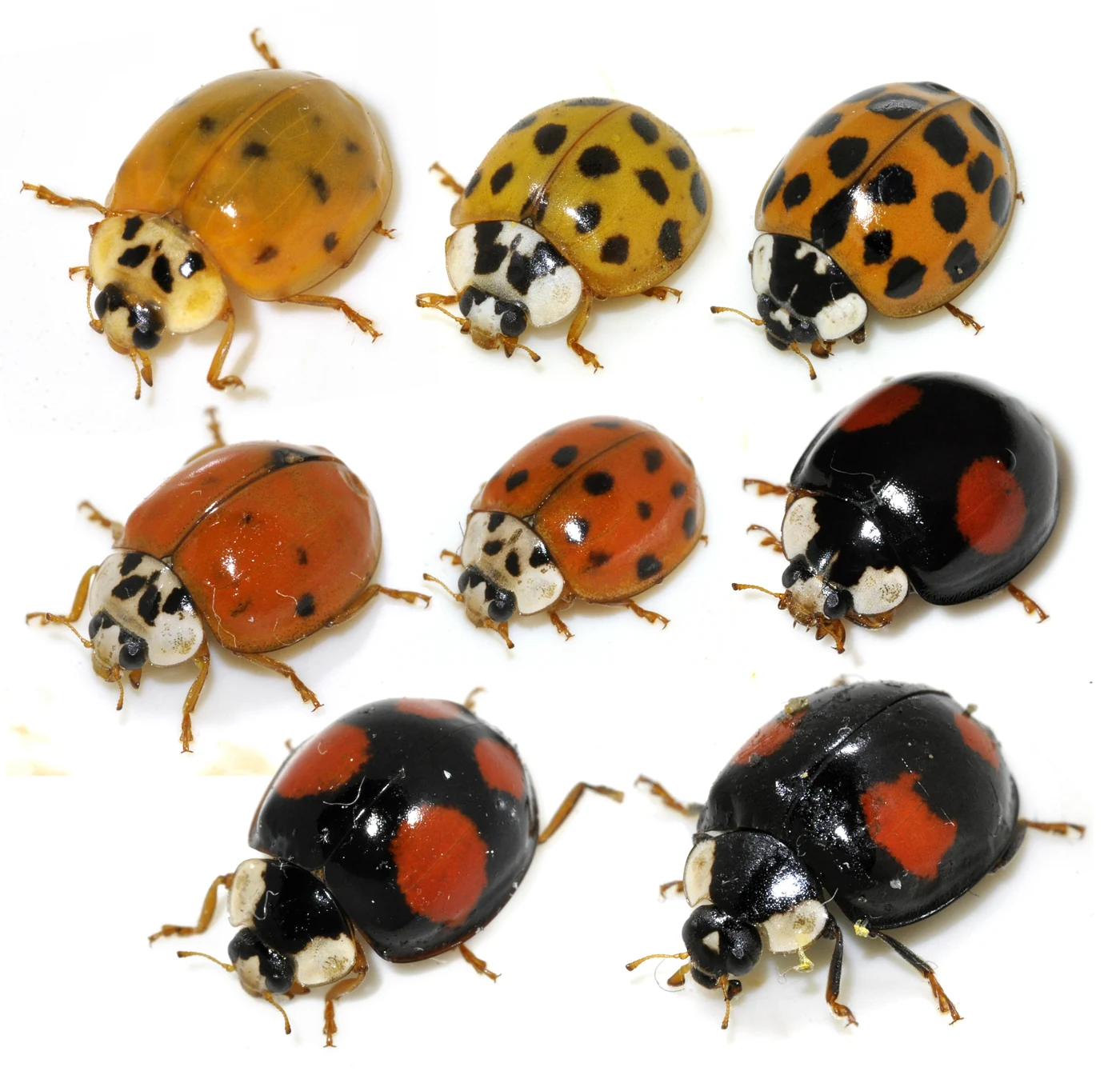
Multicolored Asian lady beetles are genuine lady beetles, and they eat plant pests outdoors. Their inconvenience inside does not make every ladybug a target. Use the combination of body shape and markings below as a starting point; color alone will not settle the species.
| Visitor | Useful adult clues | What an indoor sighting means |
|---|---|---|
| Multicolored Asian lady beetle | Small, oval and domed. Wing covers vary from pale colors to orange-red, or black; spot patterns vary. A dark M-like mark on the pale area immediately behind the head is a useful clue in many forms. | Adults seek winter shelter. They do not reproduce indoors during winter or feed on the home’s wood. Disturbing or crushing them can leave odor and stains. |
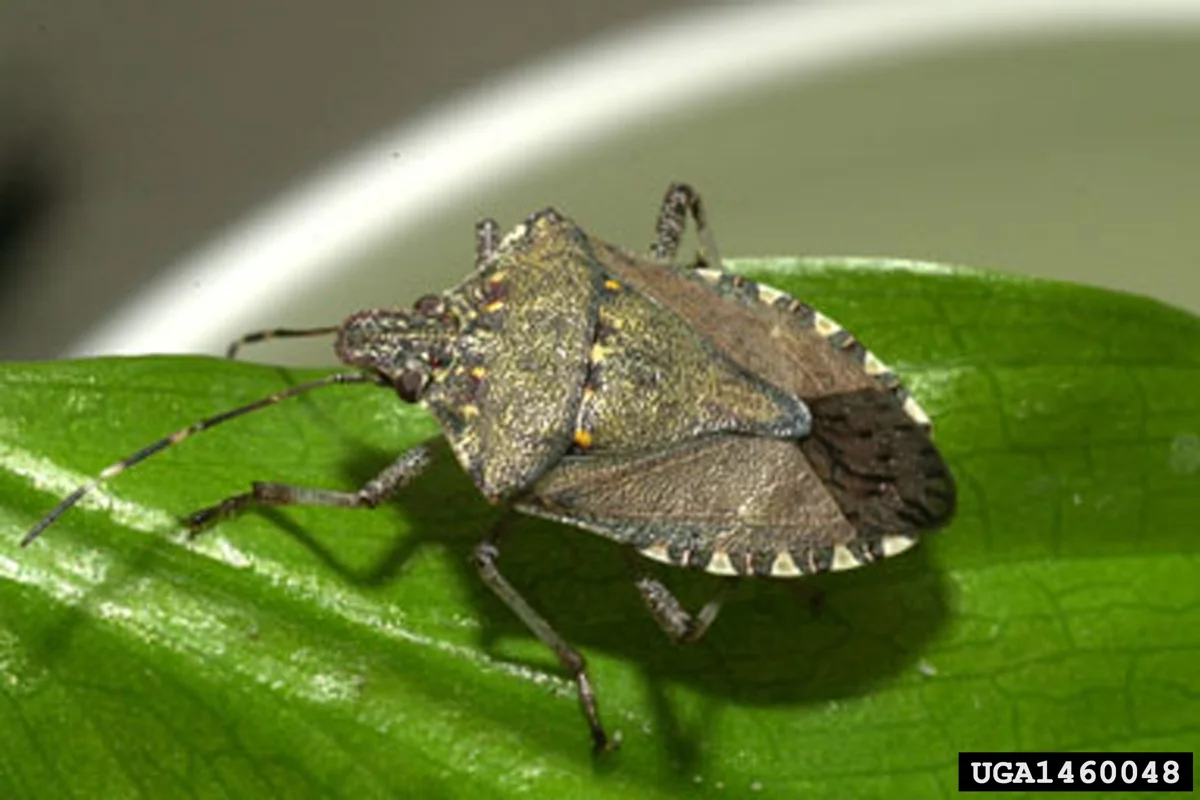
| Brown marmorated stink bug | Brown, shield-shaped adult, roughly 14–17 mm long. Look for light bands on the antennae and alternating light/dark markings along the exposed abdominal edge. | Adults may overwinter indoors without reproducing there or damaging the building. They do not bite people or pets, but can release a strong odor when disturbed. |
The beetle distinctions come from Missouri Extension’s December 2025 revision; the stink bug traits and indoor behavior are described in EPA’s illustrated guide. Neither description diagnoses an unidentified insect in your house.
The inconvenience is not always just cosmetic. Cornell IPM notes that lady beetles can bite and that large indoor groups can cause allergy problems for sensitive people. Avoid bare-handed handling. A household member’s symptoms belong with a healthcare professional, not an insect photograph or a real-estate opinion.
Work from the doorway outward
Exclusion means keeping insects out through repairs and fitted barriers. Start with accessible doors and windows rather than buying a whole-house treatment. EPA recommends weatherstripping or a door sweep where daylight is visible around an entry door. The flexible strip at the bottom of the illustrated door meets the threshold; it is not a strip of caulk fastening the moving door shut.
- Doors: With the door closed, look for daylight around the edges and bottom. Have worn weatherstripping or a poorly fitted sweep repaired so the door still operates normally.
- Windows: Look for torn or poorly fitting insect screens and failed seals around the frame. Repair the barrier rather than spraying the glass.
- Exterior wall penetrations: Note unintended gaps where pipes or utilities pass through the wall. Use an appropriate repair for the construction, or show the opening to a qualified contractor.
Alabama Extension recommends sweeps, sound weatherstripping, repaired screens and sealing entry gaps. This does not mean plugging every opening you see. Do not obstruct dryer exhaust or combustion air. If you cannot tell what an opening does, have the relevant building or equipment professional identify it before changing it. Cornell’s exclusion guidance specifically warns about lint buildup when dryer vents are screened and the need to respect building and fire-safety requirements. The Department of Energy air-sealing guide also explains why combustion appliances need proper ventilation.
Make high roofline or difficult crawl-space work a professional task. For a practical household record, photograph the accessible gap, name the repair and keep the completion date. A sweep is one barrier, not proof that the whole building is insect-tight.
What if they are already inside?
For these identified fall visitors, Alabama Extension recommends a vacuum rather than interior insecticides. Avoid crushing insects against curtains or painted walls. Vacuuming can leave an odor in the equipment; Missouri Extension advises emptying a lady-beetle collection promptly. Follow the vacuum’s instructions and avoid direct contact with the insects.
A few more beetles on a warm winter day do not necessarily mean a new entry happened that morning. Maryland Extension explains that overwintering adults may become active on warm sunny days and move toward windows. Keep removing visible insects and address entry points; do not interpret every reappearance as indoor breeding.
EPA explains why a fogger is not a lasting stink-bug solution: insects already in living areas may die, but more can emerge from cracks after the product dries. If chemical treatment is being considered, get a species-specific plan and follow the current label. This article does not recommend a pesticide, rate or homemade mixture.
When does the problem need a different diagnosis?
If the insect does not match these visitors, stop using this guide as the explanation. Alabama Extension points out that outdoor Asian cockroaches can look nearly identical to indoor German cockroaches, although their habits differ. A roach in the kitchen needs identification, not reassurance based on the season. Likewise, suspected wood damage needs its own inspection; an identified stink bug’s harmlessness to buildings says nothing about a damaged board nearby.
Start with your Alabama Extension county office. Describe where and when the insect appeared and approximately how many you saw; ask what photographs or sample the office needs. Do not handle an unfamiliar insect just to provide a specimen. Persistent large numbers, uncertain identification or repairs you cannot reach safely are good reasons to bring in qualified help.
For household pest-control work, Alabama’s Professional Services program lists Household, Institutional & Industrial Pest Control under its structural licensing categories. Ask for the company’s appropriate current license and the applicator’s credentials; use the department’s applicator-search instructions to check license type and expiration. The search is a credential check, not an endorsement.
Before accepting treatment, ask what species was identified, where it is entering, what nonchemical work is proposed, and what follow-up will show whether the plan worked. If a pesticide is proposed, request its label and household/pet access instructions before scheduling. EPA’s service-selection guide recommends credentials, product information and comparison estimates rather than a pressured immediate contract.
Buying or selling? Keep observations and coverage separate
For a move-in handoff, keep the insect identification, repair receipts and any pest-service agreement together. Record what was actually observed and fixed rather than describing the house as “pest-free.” If the purchase also involves a termite report or a claimed termite bond, use my guide to termite findings, treatment records and coverage for that separate paperwork decision. Seasonal beetles and a termite agreement answer different questions.
Conclusion: Match the response to the visitor
For confirmed overwintering lady beetles or brown marmorated stink bugs, the useful starting pair is physical removal indoors and exclusion outdoors. A photo and a short observation record help when identification is uncertain; a door or screen repair addresses an actual route of entry. Keep other insects, suspected damage and pesticide decisions on their own track instead of treating a fall sighting as proof of a structural infestation.
Want Personalized Real Estate Help?
If you are buying, selling or settling into a Northern Alabama home, I can help you organize property questions and maintenance records around your move. Contact me to talk about your real-estate plans. Your Extension office or qualified pest professional is the right resource for insect identification and control.
Sharing is Caring:
Author

Sources and review notes
Sources checked November 2, 2026. Regional presence: Alabama Extension, October 8, 2024; fall exclusion: September 29, 2021. Species biology and household guidance: the university and EPA resources linked above, including Missouri’s December 2025 revision and Maryland’s March 1, 2023 update. These sources do not supply neighborhood-level prevalence or a diagnosis of your home.